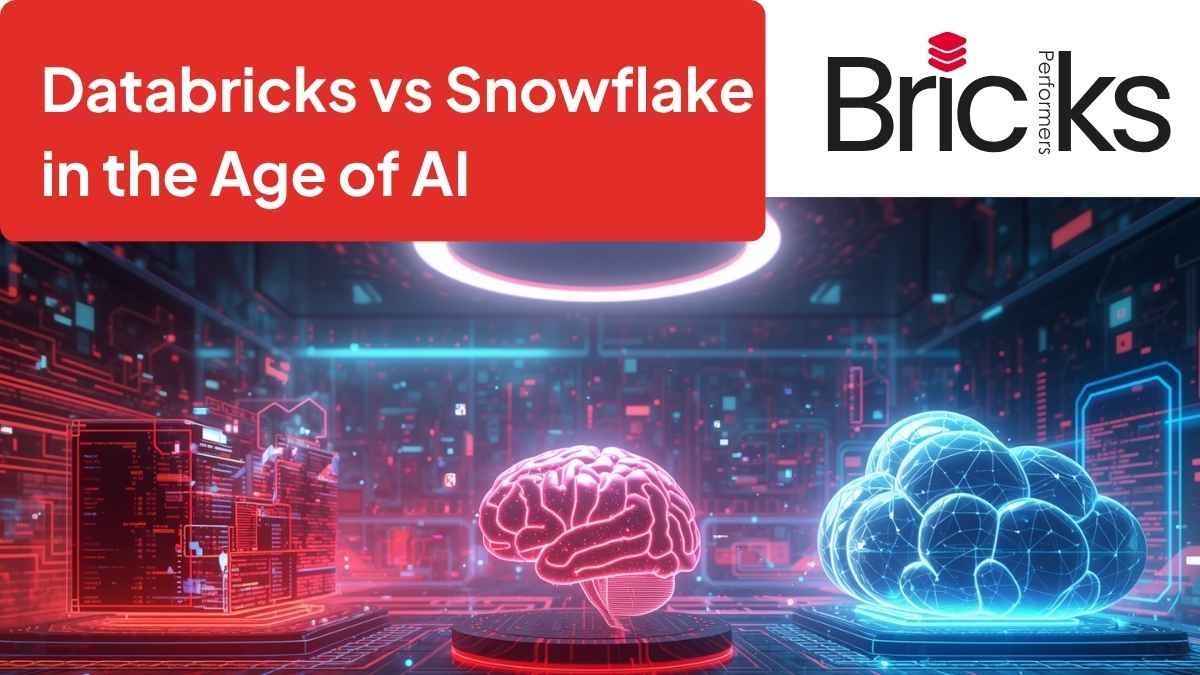
As Artificial Intelligence (AI) continues to transform industries, organizations are rethinking how they store, process, and analyze data. The rise of generative AI, machine learning, and real-time analytics has increased the demand for modern data platforms capable of handling massive workloads efficiently. Two names consistently dominate this conversation: Databricks and Snowflake.
Both platforms have evolved far beyond traditional data warehousing solutions. Today, they offer advanced capabilities for data engineering, analytics, AI, and machine learning. However, choosing between Databricks and Snowflake can be challenging because each platform brings unique strengths to the table.
For enterprises investing in AI-driven transformation, understanding the differences between these platforms is critical. Many organizations work with Top Databricks Consulting Companies and other specialized consulting services to evaluate which solution aligns best with their business goals.
In this comprehensive comparison, we’ll explore Databricks and Snowflake through the lens of AI readiness, performance, scalability, cost, and future innovation.
Understanding Databricks
Databricks was founded by the creators of Apache Spark and has become a leading unified analytics platform. It combines data engineering, data science, machine learning, and analytics into a single environment known as the Lakehouse Platform.
The core philosophy behind Databricks is to eliminate silos between data lakes and data warehouses. Instead of maintaining separate systems, organizations can manage structured and unstructured data in one unified architecture.
Key Features of Databricks
- Lakehouse architecture
- Apache Spark-powered processing
- Built-in machine learning capabilities
- MLflow integration
- Open-source ecosystem support
- Real-time data streaming
- Delta Lake technology
- Generative AI development tools
Today, many enterprises rely on the Top Databricks Consulting Companies to implement large-scale AI and machine learning initiatives because of Databricks’ strong support for data science workflows.
Understanding Snowflake
Snowflake started as a cloud-native data warehouse and quickly became one of the most popular analytics platforms worldwide.
Unlike traditional databases, Snowflake separates storage and compute resources, allowing businesses to scale independently and efficiently.
Over the years, Snowflake has expanded its capabilities to include:
- Data engineering
- Data sharing
- Data marketplace
- AI integrations
- Machine learning support
- Application development
Snowflake’s user-friendly architecture has made it a preferred choice for organizations seeking simplified data management without extensive infrastructure complexity.
The AI Revolution and Modern Data Platforms
AI success depends on three critical factors:
- High-quality data
- Scalable computing power
- Efficient machine learning workflows
Organizations adopting AI need platforms capable of managing massive datasets while supporting experimentation, model training, and deployment.
This is where Databricks and Snowflake compete most aggressively. The platform that enables faster access to data, better governance, and seamless AI integration often becomes the preferred choice for enterprises.
Databricks vs Snowflake: Core Architecture
Databricks Architecture
Databricks follows the Lakehouse model.
Advantages
- Supports structured and unstructured data
- Ideal for machine learning workloads
- Open architecture
- Highly flexible
- Optimized for AI development
The Lakehouse approach provides data scientists with direct access to raw and processed data, accelerating innovation.
Snowflake Architecture
Snowflake uses a cloud-native warehouse architecture.
Advantages
- Simpler deployment
- Independent compute scaling
- Strong SQL performance
- Easy administration
- Excellent business intelligence support
For organizations focused primarily on reporting and analytics, Snowflake often delivers faster time-to-value.
AI and Machine Learning Capabilities
Why Databricks Excels in AI
Databricks was built with data science in mind.
AI Features
- MLflow for model lifecycle management
- Native notebook environments
- Distributed machine learning
- Deep learning support
- Generative AI toolkits
- Vector search capabilities
- Model serving infrastructure
Because of these capabilities, many enterprises partner with the Top Databricks Consulting Companies to accelerate AI adoption and build production-ready machine learning systems.
Databricks provides an end-to-end environment where data engineers, analysts, and data scientists collaborate seamlessly.
Snowflake’s AI Evolution
AI Features
- Snowpark framework
- Native AI functions
- Cortex AI services
- Vector database functionality
- LLM integrations
- Embedded machine learning tools
While Snowflake has significantly improved its AI ecosystem, many experts still view Databricks as the more mature platform for advanced machine learning workloads.
Data Engineering Comparison
Databricks for Data Engineering
- Large-scale ETL processing
- Streaming data support
- Pipeline automation
- Data lake optimization
- Batch and real-time processing
Organizations with complex data pipelines often rely on specialized consulting services and implementation partners to maximize Databricks performance.
Snowflake for Data Engineering
- Minimal infrastructure management
- SQL-centric workflows
- Automated optimization
- Strong data sharing features
Snowflake appeals to teams that prioritize operational simplicity over extensive customization.
Performance and Scalability
Databricks Performance
- AI model training
- Big data processing
- Streaming analytics
- Large-scale transformations
- Advanced machine learning workloads
Snowflake Performance
- Business intelligence reporting
- SQL analytics
- Dashboard workloads
- Concurrent user access
- Enterprise data warehousing
Its architecture allows multiple teams to access data simultaneously without performance degradation.
Cost Considerations
Databricks Pricing
Databricks pricing depends on compute consumption, storage usage, workload complexity, and AI model training requirements. Costs can vary significantly depending on implementation design.
This is why businesses frequently engage experienced consulting firms and certified implementation partners to optimize resource utilization.
Snowflake Pricing
Snowflake follows a consumption-based model. Organizations pay for storage, compute credits, and data transfer.
Snowflake’s predictable scaling often appeals to finance and operations teams seeking budget transparency.
Data Governance and Security
Databricks Security Features
- Unity Catalog
- Role-based access control
- Data lineage
- Compliance certifications
- Centralized governance
Snowflake Security Features
- End-to-end encryption
- Data masking
- Access controls
- Governance frameworks
- Compliance support
Both platforms meet the needs of highly regulated industries such as healthcare, finance, and government.
The Role of Consulting Partners
Choosing the right platform is only part of the equation. Implementation success often depends on selecting the right technology partner and experienced consulting services provider.
The Top Databricks Consulting Companies help organizations with:
- Platform migration
- Data modernization
- AI strategy
- Machine learning implementation
- Cost optimization
- Governance frameworks
- Workforce training
Similarly, leading Snowflake-focused firms provide expertise in data warehousing, analytics, and cloud transformation projects.
Which Platform Is Better for AI?
Choose Databricks If You Need:
- Advanced machine learning
- Generative AI development
- Large-scale data engineering
- Open-source flexibility
- End-to-end AI workflows
Choose Snowflake If You Need:
- Simpler data management
- Fast analytics deployment
- Strong business intelligence capabilities
- Easier administration
- Data sharing at scale
Conclusion
In the age of AI, both Databricks and Snowflake offer compelling solutions for modern enterprises. Databricks leads in machine learning, data science, and AI innovation, while Snowflake excels in simplicity, analytics, and scalable data warehousing.
The right choice depends on your business objectives, technical requirements, and long-term AI strategy. By partnering with experienced consulting services, trusted implementation partners, and the Top Databricks Consulting Companies, organizations can make informed decisions and build a future-ready data platform that drives competitive advantage in the AI era.