In today’s digital-first world, businesses are constantly adopting new tools to improve efficiency, automate processes, and drive growth. From CRM platforms to AI-powered analytics, the market is filled with solutions promising instant success. However, many companies fail to achieve real results despite investing heavily in technology.
The reason is simple: tools alone don’t drive growth—strategy does.
Without a clear business strategy, even the most advanced tools and Salesforce consulting implementations fail to deliver value. This is why leading consulting firms and experienced partners always prioritize strategy before execution.
The Common Mistake: Tool-First Approach
Many companies make the mistake of adopting tools before defining their goals.
- CRM systems like Salesforce
- Marketing automation platforms
- Data analytics tools
- AI-powered solutions
Without a clear roadmap, these tools often become underutilized. Even with the support of Salesforce consulting partners, businesses struggle if strategy is missing.
Tools should support strategy—not replace it.
What Is Business Strategy?
A business strategy is a structured plan that defines:
- Business goals
- Target audience
- Value proposition
- Growth roadmap
- Performance metrics
Strategy answers the “why” and “how,” while tools address the “what.” Top consulting firms build a strong strategic foundation before recommending tools.
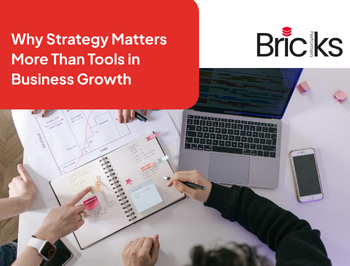
Why Strategy Matters More Than Tools
1. Strategy Defines Direction
Without strategy, businesses lack clarity. Tools can automate tasks, but they cannot define goals or direction.
Consulting partners help businesses create a roadmap that ensures tools like CRM systems deliver real value. A well-planned Salesforce implementation improves customer relationships and revenue.
2. Tools Without Strategy Lead to Wasted Investment
Many companies invest in tools but fail to see ROI due to:
- Low adoption
- Poor configuration
- Unused features
- Lack of integration
Even the best consulting firms cannot succeed without a clear strategy.
3. Strategy Drives Team Alignment
A strong strategy ensures that all departments work toward common goals. Consulting partners align teams and ensure smooth implementations.
4. Strategy Improves Decision-Making
Tools provide data, but strategy transforms it into actionable insights. With guidance from consulting firms, businesses can use data effectively.
5. Strategy Enables Scalability
Scaling requires systems, not just tools. Strategy ensures processes are repeatable and sustainable. Salesforce consulting partners help design scalable solutions through effective implementations.
Real-World Example: Strategy vs Tools
Company A (Tool-First Approach)
- Implements tools without planning
- Low adoption rates
- Poor ROI
Company B (Strategy-First Approach)
- Defines goals and processes
- Works with consulting partners
- Aligns teams and ensures adoption
Result: Higher growth, better performance, and strong ROI.
The Role of Consulting Firms
Top consulting firms focus on both strategy and execution. Their process includes:
- Understanding business goals
- Analyzing operations
- Identifying gaps
- Building a roadmap
- Executing through implementations
This approach is critical in Salesforce consulting, where success depends on aligning tools with business needs.
When Tools Become Powerful
Tools deliver results only when:
- They follow a clear strategy
- They are implemented by experienced partners
- They integrate with business processes
- They are continuously optimized
A strong Salesforce implementation can improve customer engagement, automate workflows, and provide actionable insights.
How to Build a Strategy-First Approach
- Define clear goals
- Understand your customers
- Map your processes
- Choose the right tools
- Work with the right consulting partners
Common Mistakes to Avoid
- Prioritizing tools over strategy
- Ignoring user adoption
- Lack of training
- Choosing the wrong consulting partners
- Focusing on features instead of outcomes
Conclusion
In the modern business landscape, tools are important—but they are not enough. True growth comes from a well-defined strategy supported by the right technologies.
Consulting firms and experienced partners understand that success lies in aligning strategy with execution. Whether it’s Salesforce consulting or other technologies, strategy remains the key driver of growth.
Remember: Tools enable growth, but strategy drives it.